
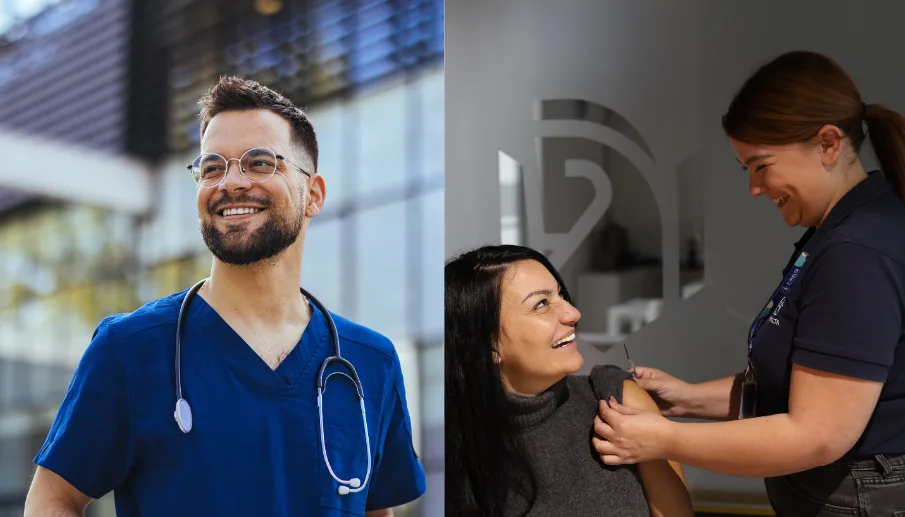
Corporate wellness has come a long way from being a secondary benefit or a “nice to have.” Today, corporate wellness is about supporting employees holistically, physically, emotionally, and professionally. This includes mental wellbeing, physical health, from everyday lifestyle habits to care when unwell, emotional resilience, work-life balance, and a genuine sense of belonging at work.
Why Sustainable Performance Starts With People
Traditional workplace models often prioritised output over wellbeing. Long hours, constant pressure, and limited flexibility were widely accepted as the norm. Over time, the cost of this approach became clear. Burnout increased, sick leave rose, engagement declined, turnover increased, and performance suffered, affecting both employees and the businesses that relied on them.
As workplaces became more complex and demanding, particularly with the rise of digital work, remote teams, and constant connectivity, organisations were required to rethink how they support their people. Wellness shifted from a reactive response to a proactive, long-term strategy.
Forward-thinking businesses began to recognise that sustainable performance is not possible without healthy, supported employees.
Wellness as a Business Imperative
Wellness initiatives today are designed to be practical and intentional.They include mental health support, flexible working arrangements, access to professional guidance, wellbeing education, and leadership approaches grounded in empathy and clear communication.
In cases where wellbeing challenges are rooted in leadership or culture, we collaborate with Mdina Partners to support leadership development and transformational change alongside health-focused initiatives.
As wellness moves away from one-size-fits-all solutions, we’ve adopted a strategy of working closely with HR teams and senior leadership to understand organisational needs and deliver support that addresses real challenges with practical outcomes.
As Bernard Micallef Cann, CEO, explains:
“As workplaces continue to evolve, it’s essential for wellness solutions to be both high-quality and sustainable. By working closely with organisations, we aim to support teams with care that is practical, affordable, and genuinely impactful.”
Wellness has moved beyond box-ticking to become a long-term investment in people and performance.
Supporting Wellbeing In and Beyond the Workplace
Modern corporate wellness recognises that employee wellbeing extends beyond the workplace. How people manage their health, recover, and access care outside of work directly affects their performance and resilience at work.
Early intervention through preventative physiotherapy, health screenings, and timely medical input allows health concerns to be addressed before they lead to prolonged absence or reduced performance. Direct access to healthcare professionals supports faster assessment, appropriate care, and clearer decision-making, including reliable sick leave verification that provides HR teams with clarity while maintaining fairness and respect for employees.
By reducing delays in care and improving how health information is interpreted, organisations can shorten recovery times, minimise disruption, and support employees more effectively, both in the workplace and beyond it.
“Early intervention and direct access to healthcare professionals allow organisations to manage health concerns more effectively. This approach supports faster recovery, clearer absence management, and better wellbeing outcomes, both in and out of the workplace.”
Sarah Davina Cassar, Senior Nurse
The Future of Healthy Workplaces
As the world of work continues to evolve, corporate wellness will remain central to sustainable business practices. Organisations that prioritise employee wellbeing are better positioned to adapt, retain talent, and build resilient, future-ready workplaces in an increasingly complex environment.